
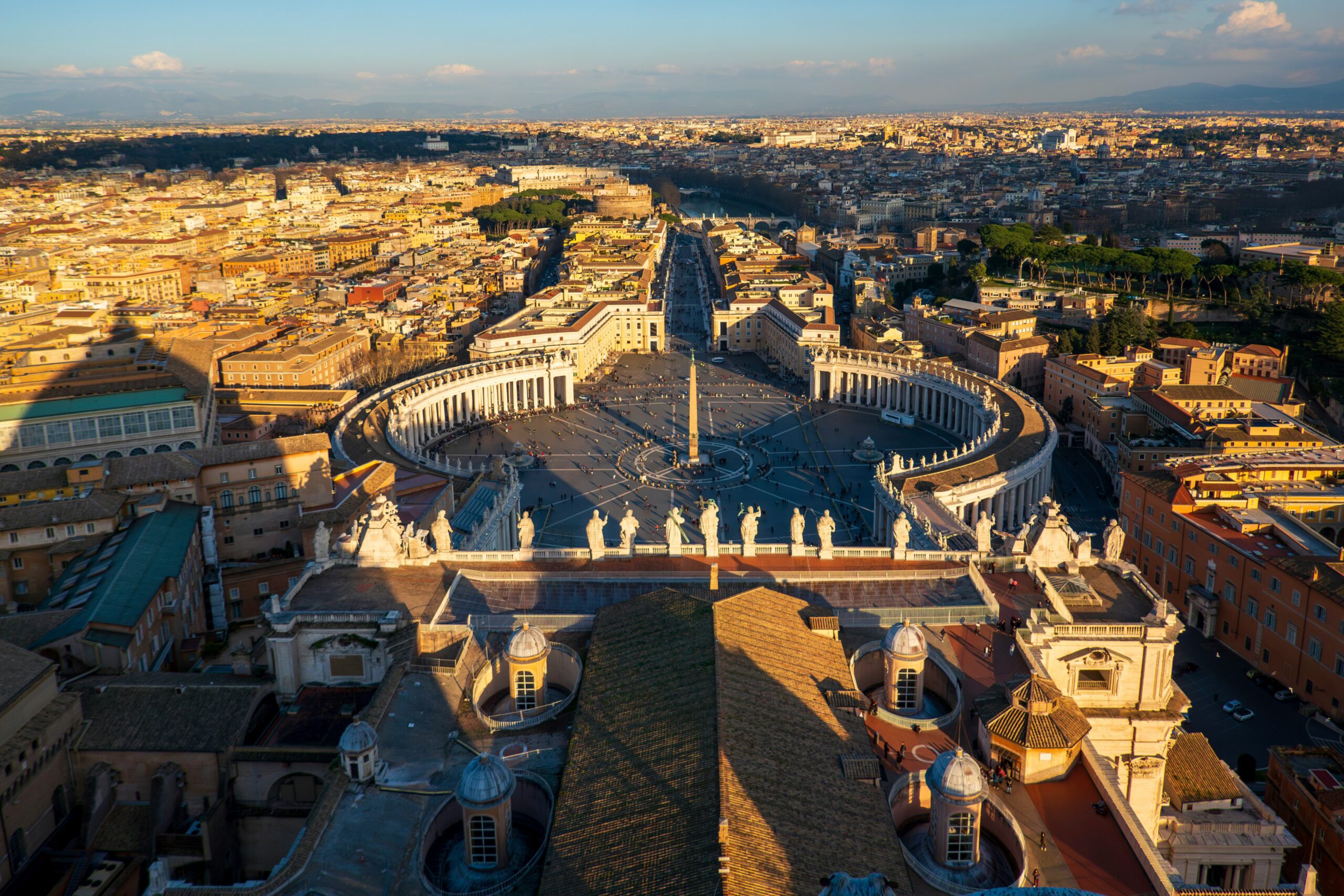
Unlocking Timeless Stories, Living Traditions & UNESCO Treasures
Europe is an amazing destination and a living tapestry woven from thousands of years of human history. From ancient civilisations and medieval kingdoms to Renaissance artistry and modern cultural life, Europe invites travellers to step into stories that still shape the world today.
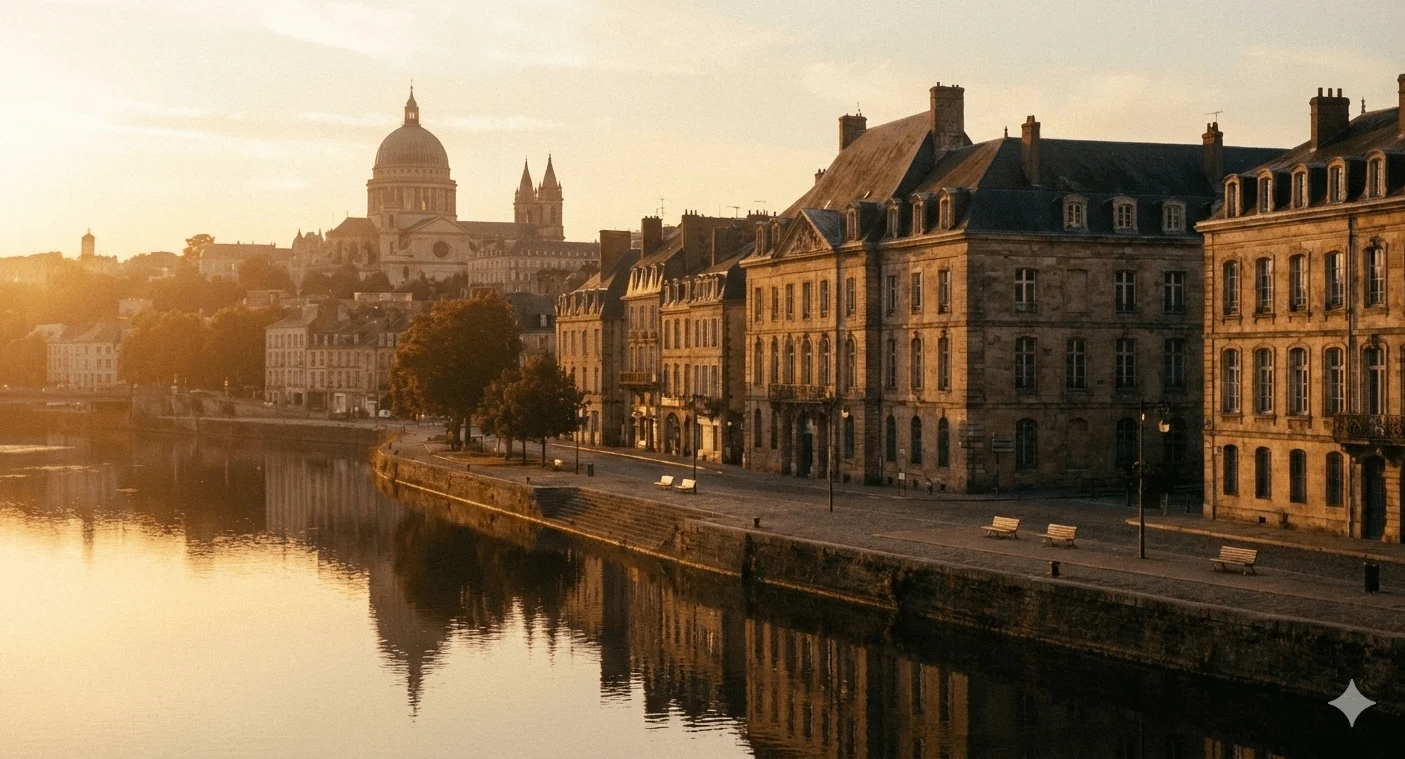
For solo travellers, especially those who value depth over speed, Europe offers something uniquely rewarding. Here, history isn’t locked behind museum glass; it lives in city streets, seasonal festivals, pilgrimage paths, and everyday rituals. These are all carefully preserved through generations, many protected today as UNESCO World Heritage Sites.
This guide explores some of Europe’s top cultural and heritage destinations, while also highlighting the traditions, trails, and living culture that make these places feel meaningful rather than merely visited.
Unlocking Europe’s Rich Tapestry of History
Europe is often described as the cradle of Western civilisation, but that description only scratches the surface. What makes Europe exceptional is how ancient, medieval, and modern life coexist.
Roman roads still shape modern cities. Medieval festivals are celebrated with the same rituals as centuries ago. Cathedrals remain places of worship, not just landmarks. These layers of time give European travel its emotional depth.
UNESCO World Heritage Sites play a vital role in protecting this legacy. Not only buildings and monuments, but cultural landscapes, historic routes, and city centres where life continues much as it always has.
For the solo traveller, this creates space for reflection, curiosity, and genuine connection with place.
The Timeless Appeal of Europe’s Ancient Cities
Rome, Italy – Where Civilisation Unfolds
Rome is history in motion. The Historic Centre of Rome, a UNESCO World Heritage Site, contains layers of ancient temples, Renaissance palaces, and Baroque churches. All woven into modern Italian life.
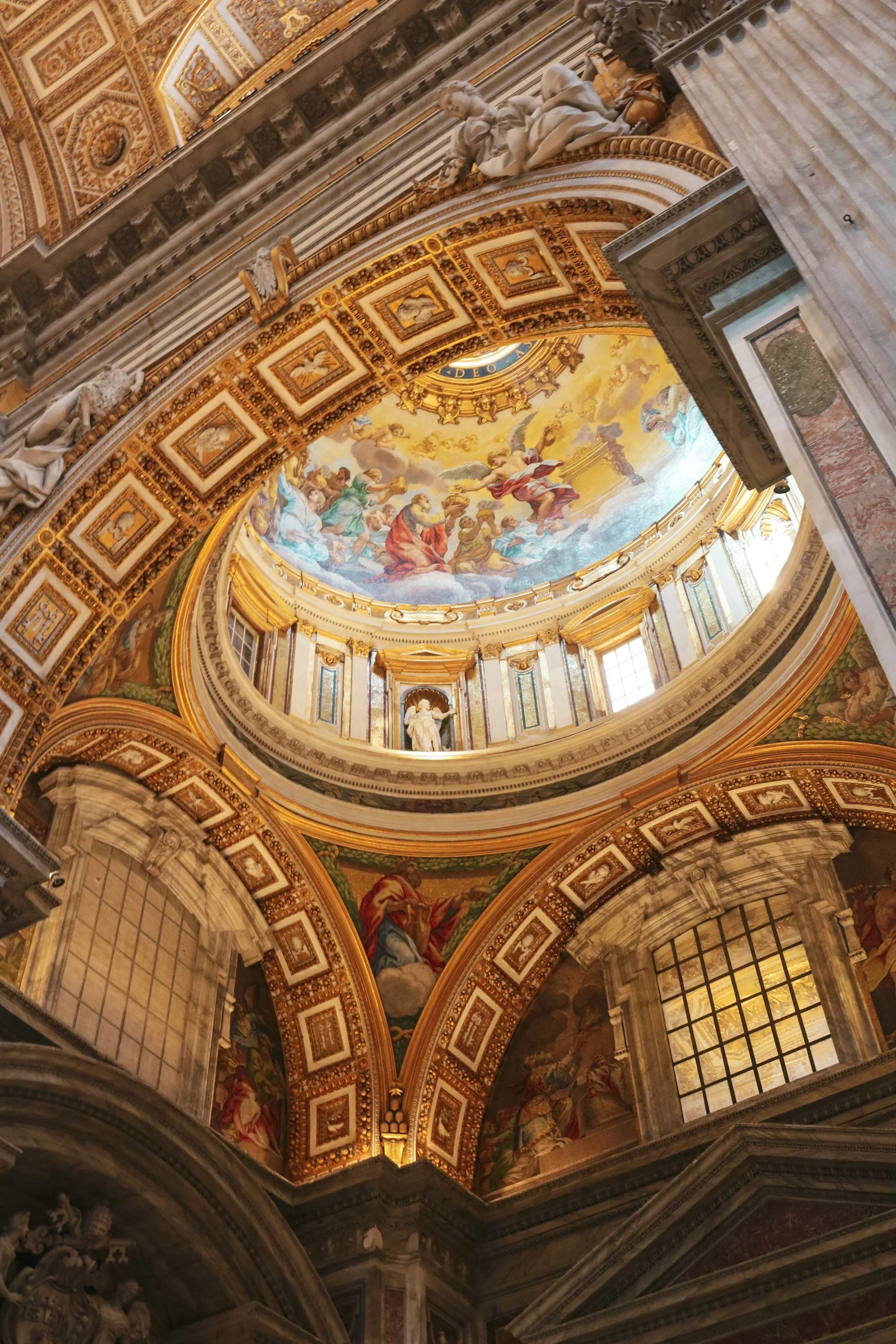
Beyond the Colosseum and Roman Forum, Rome invites you to engage with its myths and legends: emperors, saints, artists, and everyday Romans who shaped the city.
Solo travellers can join walking tours focused on ancient history or simply wander neighbourhoods like Trastevere, where folklore and daily life merge effortlessly.
Athens, Greece – Birthplace of Ideas
Athens is more than ruins; it is the birthplace of democracy, philosophy, and Western thought. The Acropolis of Athens, a UNESCO World Heritage Site, remains one of the most powerful symbols of human achievement.
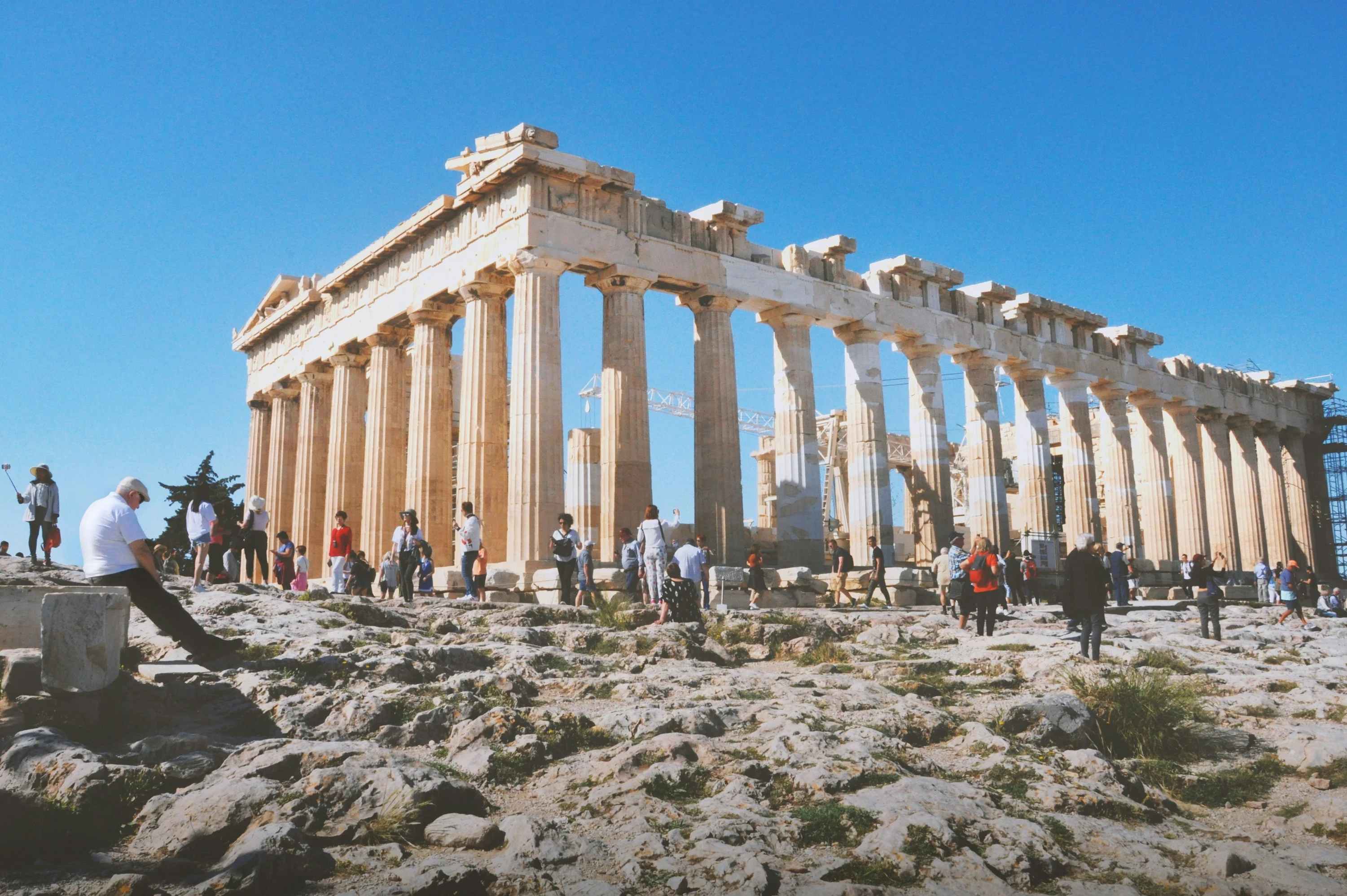
What enhances a visit here is understanding how ancient ideas still influence modern Greek identity. Street cafés sit beneath ancient columns, and local myths are woven into guided tours and storytelling.
Athens rewards curious travellers who enjoy asking “why” as much as “what”.
Istanbul, Turkey – Where Continents and Cultures Meet
Few cities illustrate the interweaving of civilisations as vividly as Istanbul. Once Byzantium, then Constantinople, now Istanbul, its Historic Areas are protected as a UNESCO World Heritage Site.
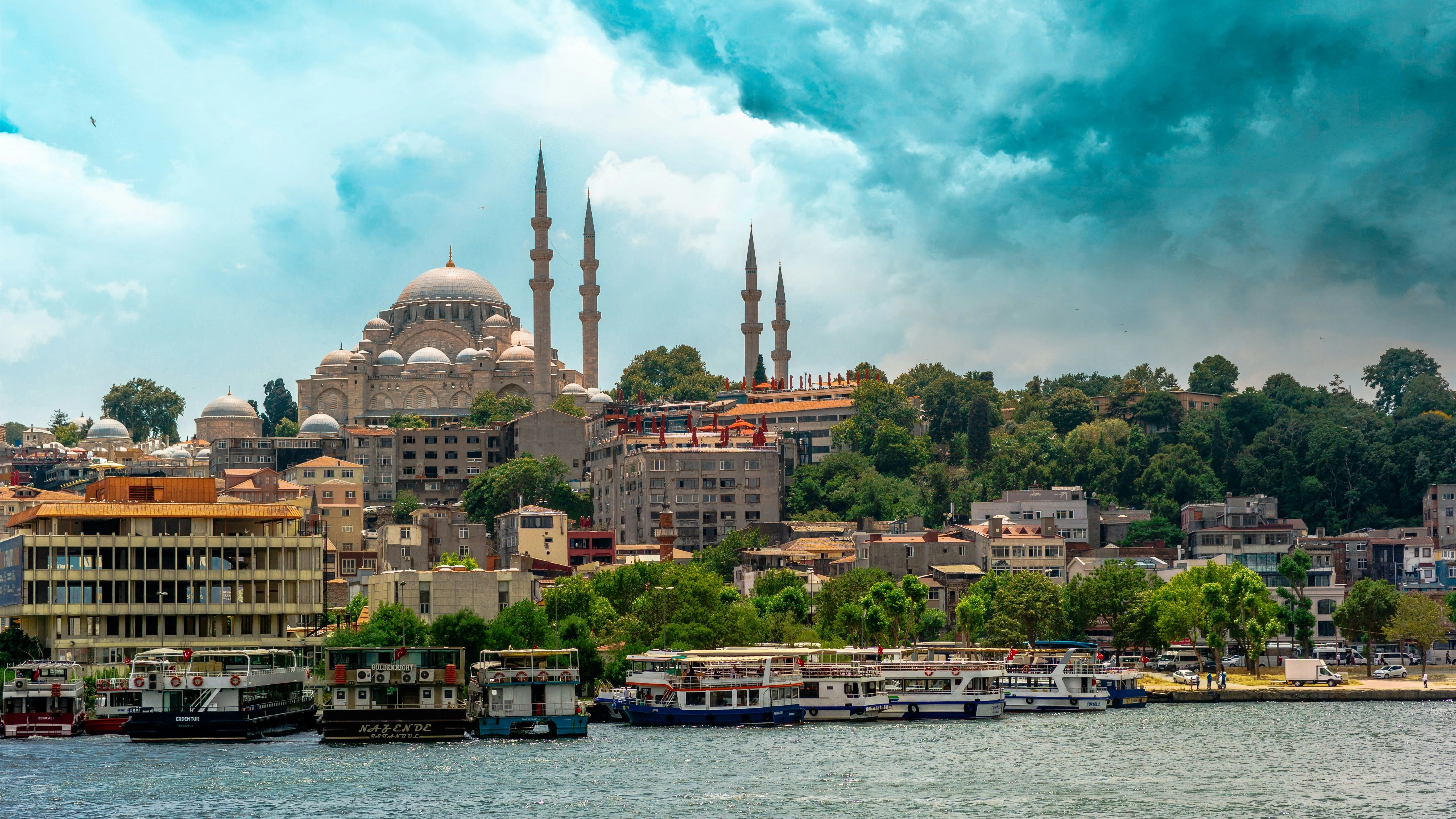
Mosques, churches, and palaces reflect Roman, Byzantine, and Ottoman legacies, while modern Turkish life hums around them. Solo travellers often find Istanbul surprisingly welcoming, especially through food culture and local markets.
Europe’s Cultural Capitals & Artistic Heritage
Paris, France – Art, Elegance & Everyday Culture
The Banks of the River Seine, a UNESCO World Heritage Site, showcase Paris at its most iconic. But Parisian culture isn’t confined to museums. It also lives in cafés, bookshops, neighbourhood markets, and seasonal festivals.
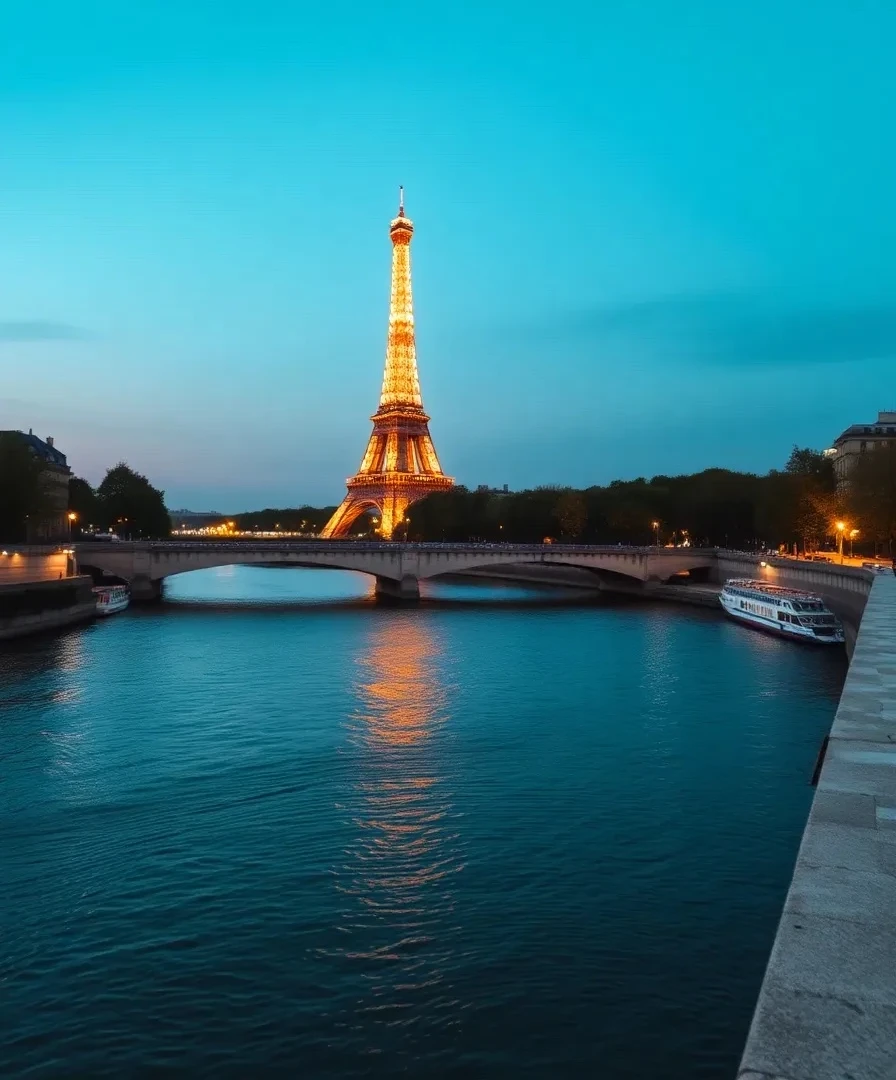
Paris is ideal for solo travellers who enjoy blending observation with participation, sitting quietly in a café one moment, exploring world class art the next.
Florence, Italy – The Renaissance Alive
Florence’s Historic Centre, a UNESCO World Heritage Site, represents one of humanity’s greatest creative periods. Art here isn’t just displayed, it defines the city’s identity.
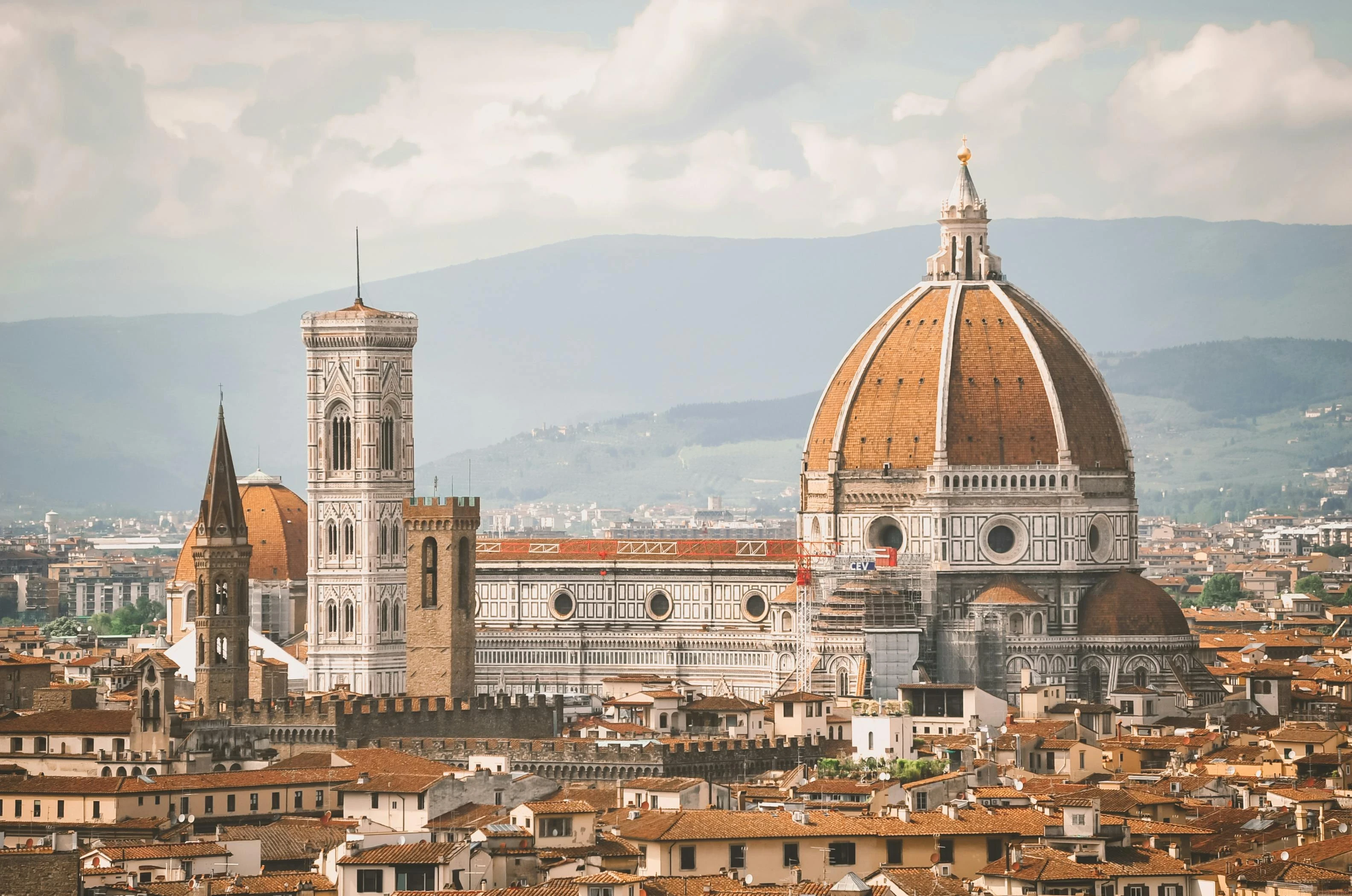
Walking around Florence alone allows you to absorb its beauty slowly, whether studying frescoes, attending a small gallery talk, or listening to local stories about the Medici family that still colour Florentine pride today.
Vienna, Austria – Imperial Culture & Refined Traditions
Vienna’s Historic Centre, a UNESCO World Heritage Site, reflects centuries of imperial influence, music, and intellectual life.
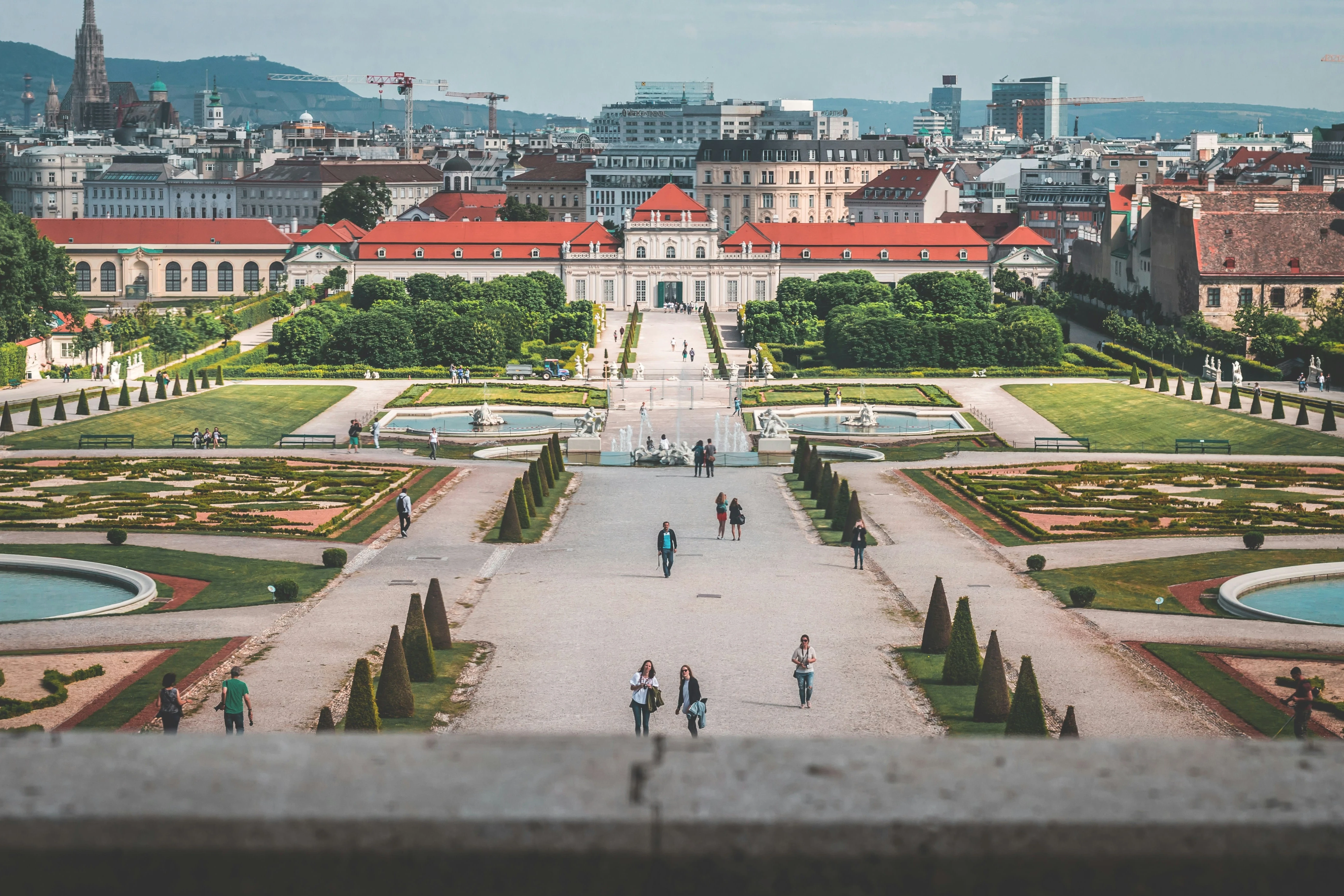
Vienna’s coffee house culture, classical concerts, and seasonal balls demonstrate how traditions adapt rather than disappear. For solo travellers, Vienna feels cultured, calm, and wonderfully civilised.
Medieval Cities & Preserved Heritage
Prague, Czech Republic – A Living Fairytale
Prague’s Historic Centre, protected by UNESCO, feels untouched by time. Gothic spires, medieval bridges, and folklore filled legends shape every stroll.
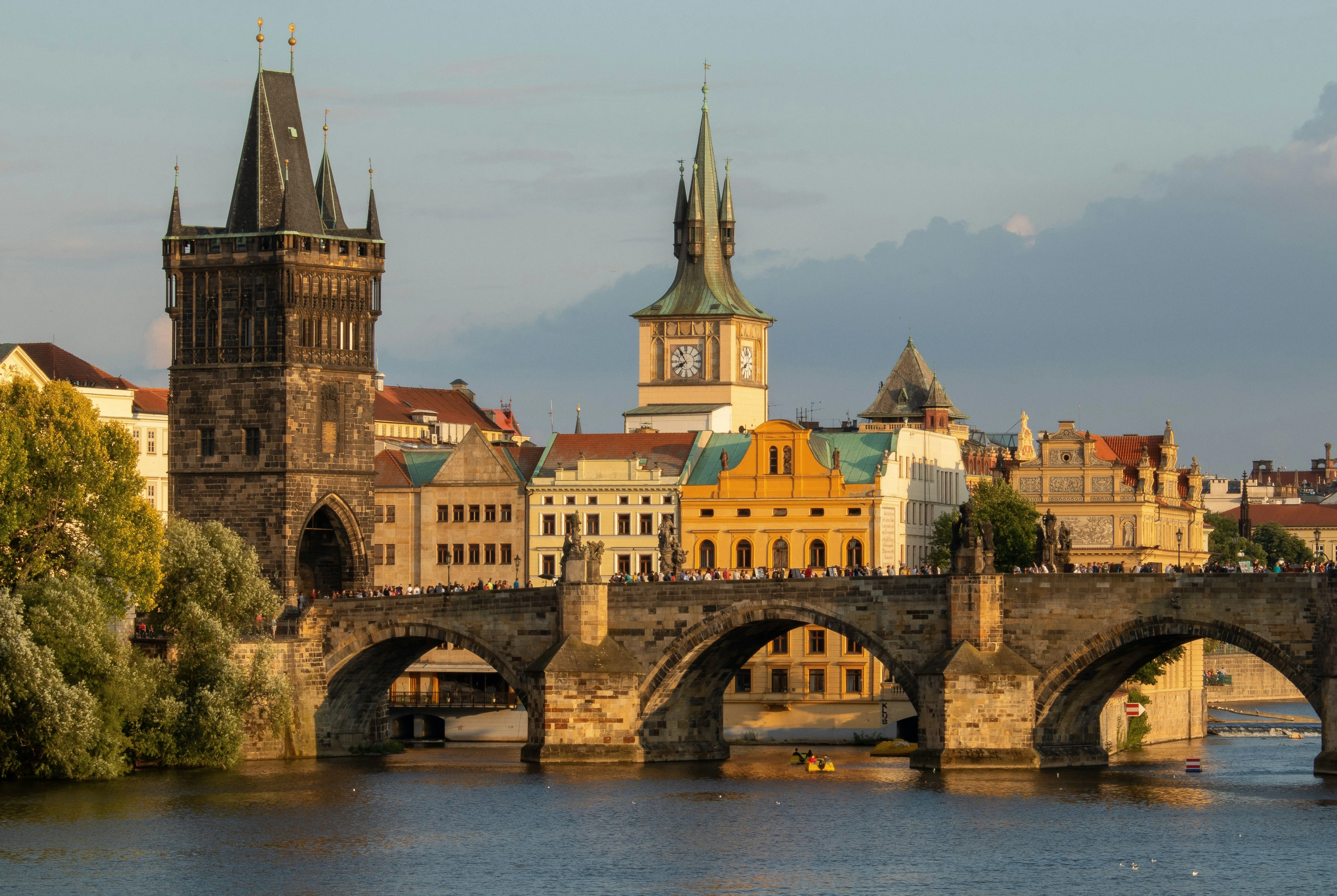
Early mornings or evening walks allow solo travellers to experience Prague’s magic without distraction. A pleasant reminder that preservation doesn’t freeze life; it enhances it.
Bruges, Belgium – Quiet Beauty & Medieval Rhythm
The Historic Centre of Bruges, a UNESCO World Heritage Site, offers peaceful, almost meditative travel. Canals replace roads, and daily life moves gently.
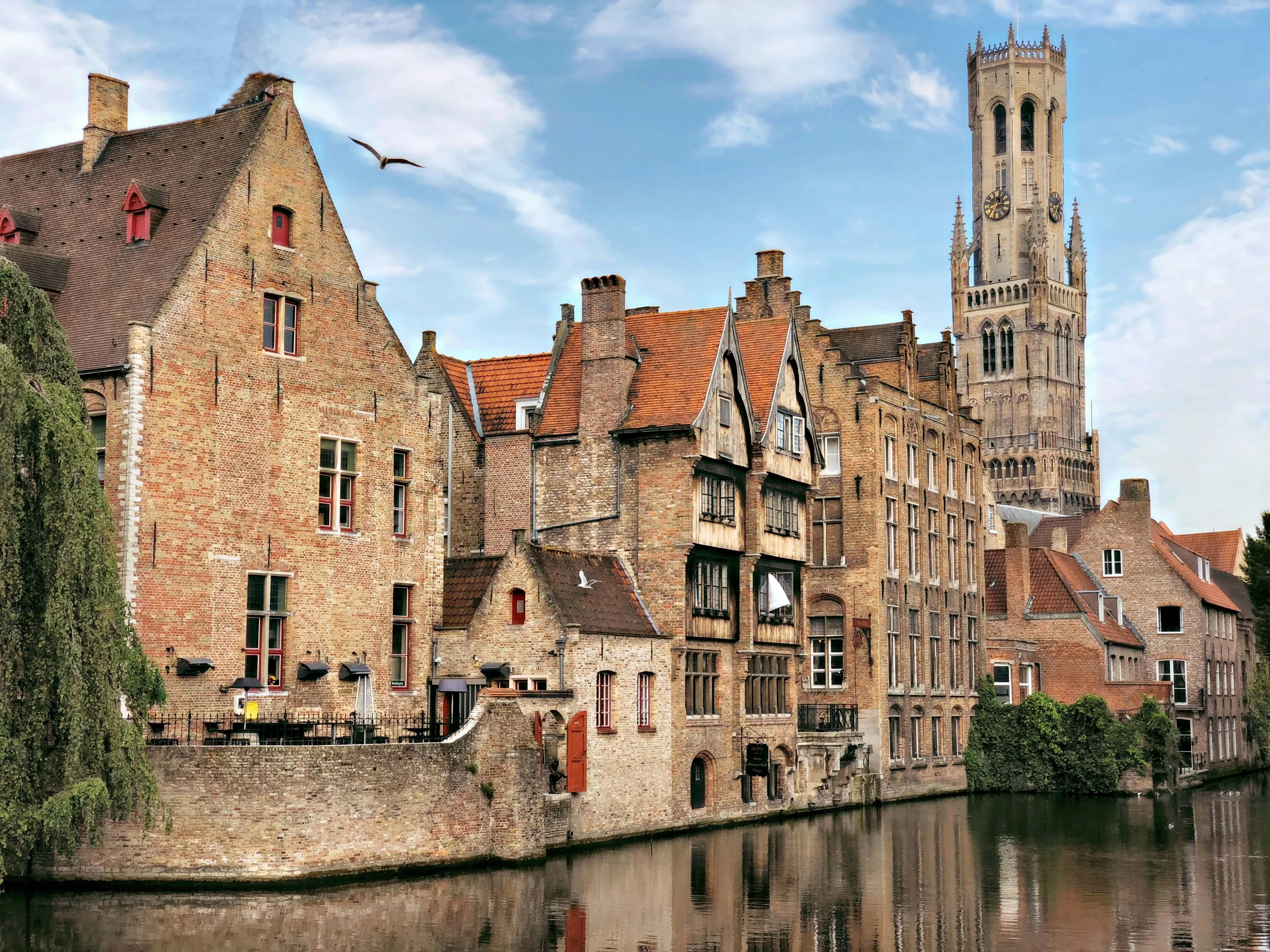
Bruges suits travellers who value stillness, craftsmanship, and small rituals, from chocolate making to centuries old religious processions.
Dubrovnik, Croatia – History by the Sea
Dubrovnik’s Old City, encircled by formidable walls, is a UNESCO treasure where medieval architecture meets the Adriatic.
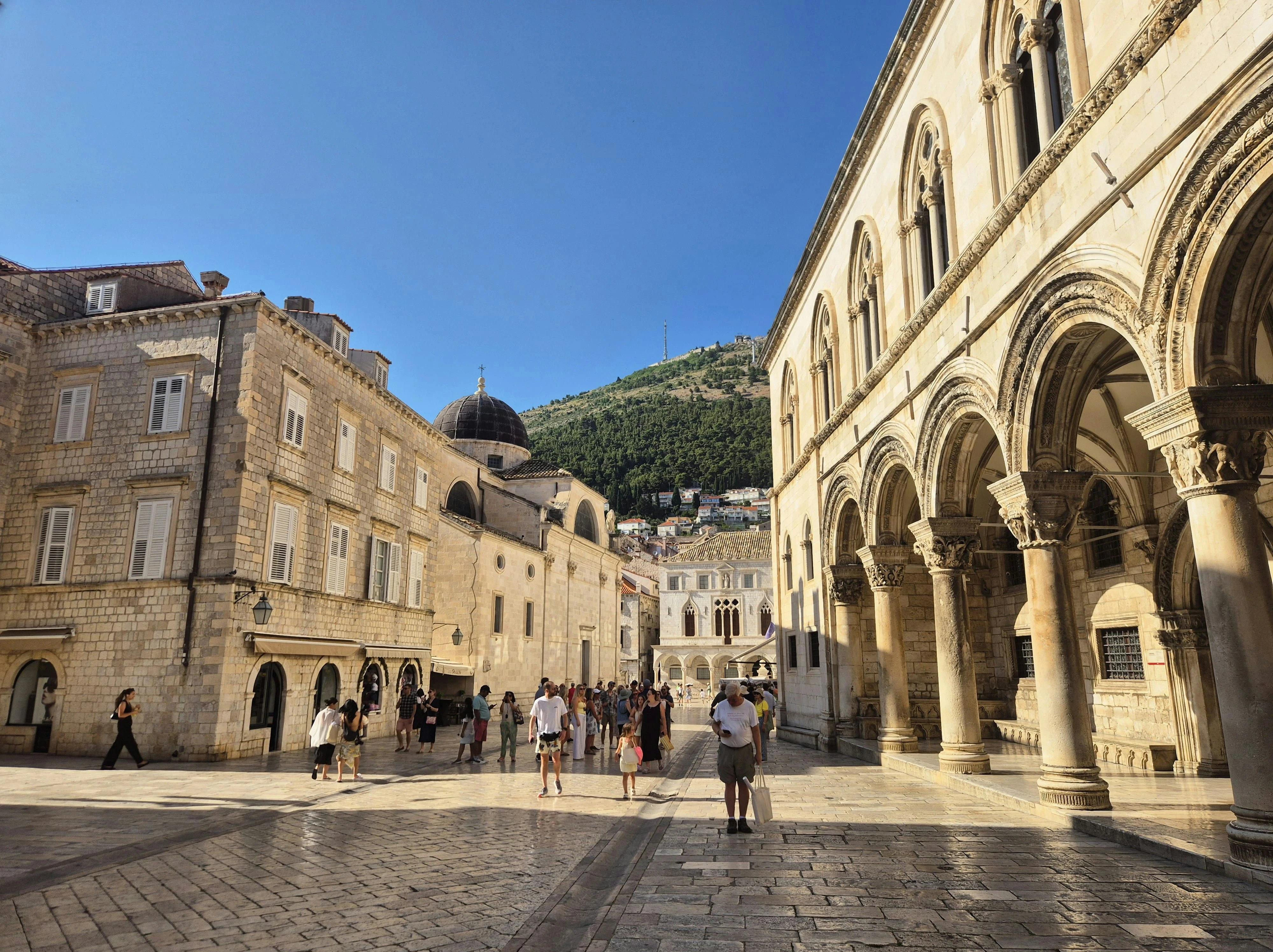
Walking the walls offers insight into how communities once defended themselves and how that heritage now supports modern tourism when managed thoughtfully.
Edinburgh, Scotland – Stories Written in Stone
Edinburgh’s Old and New Towns, together a UNESCO World Heritage Site, represent two eras of urban design, Medieval and Enlightenment.
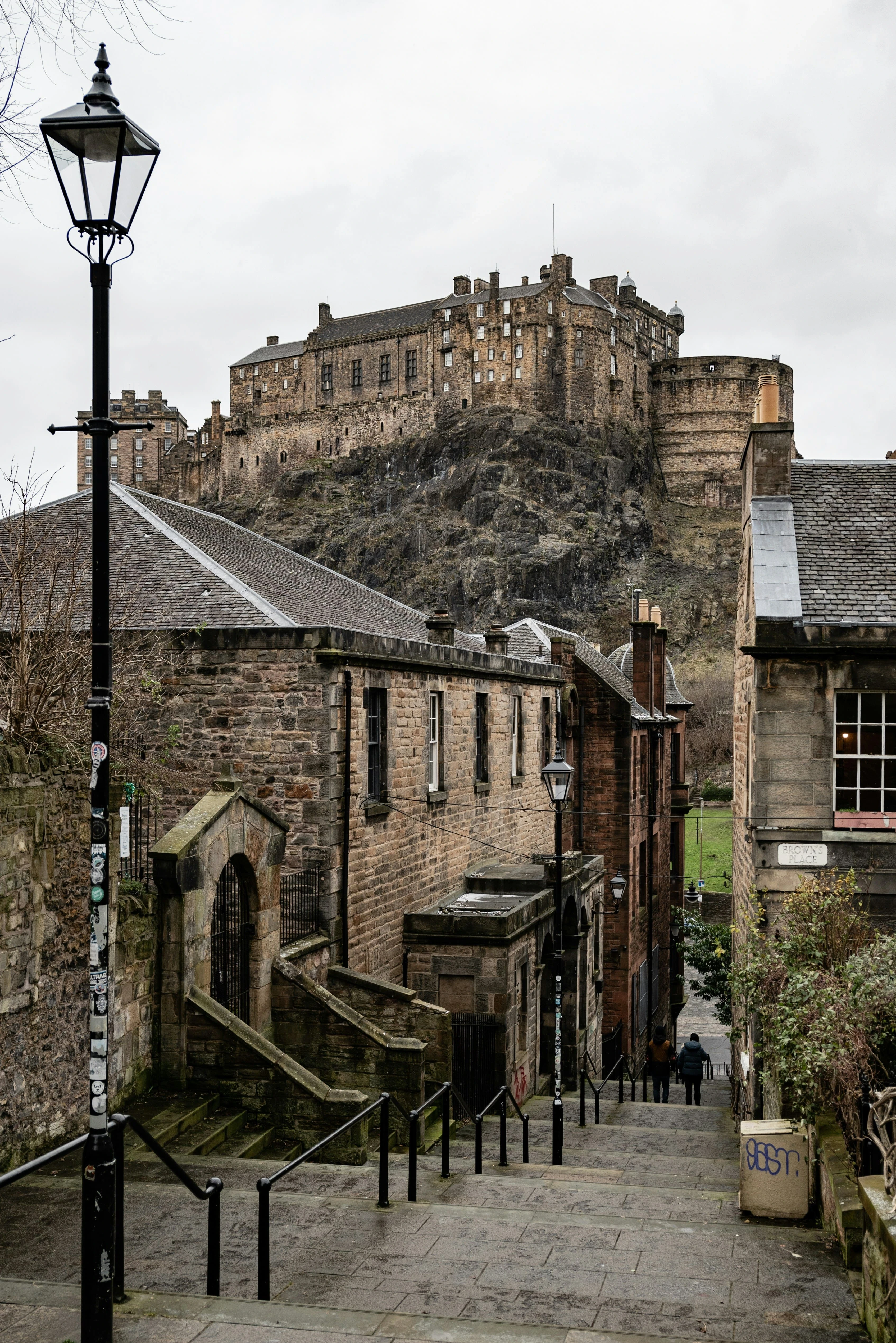
From literary traditions to seasonal festivals like the Edinburgh Festival Fringe, the city shows how heritage continues to inspire creativity today.
Cultural Extravaganza: Europe’s Festivals & Living Traditions
Europe’s cultural identity comes alive during festivals, moments when history, tradition, and community converge.
- Semana Santa (Spain) – Deeply rooted religious processions
- Carnival (Italy & beyond) – Ancient traditions with modern flair
- Edinburgh Festivals (Scotland) – A blend of history and contemporary arts
- Vienna’s Ball Season – Imperial elegance in modern times
For solo travellers, festivals offer a rare chance to feel part of local life. The key is respectful participation, observing customs, dressing appropriately, and engaging with curiosity rather than spectacle.
Pathways Through the Ages: Europe’s Historic Trails
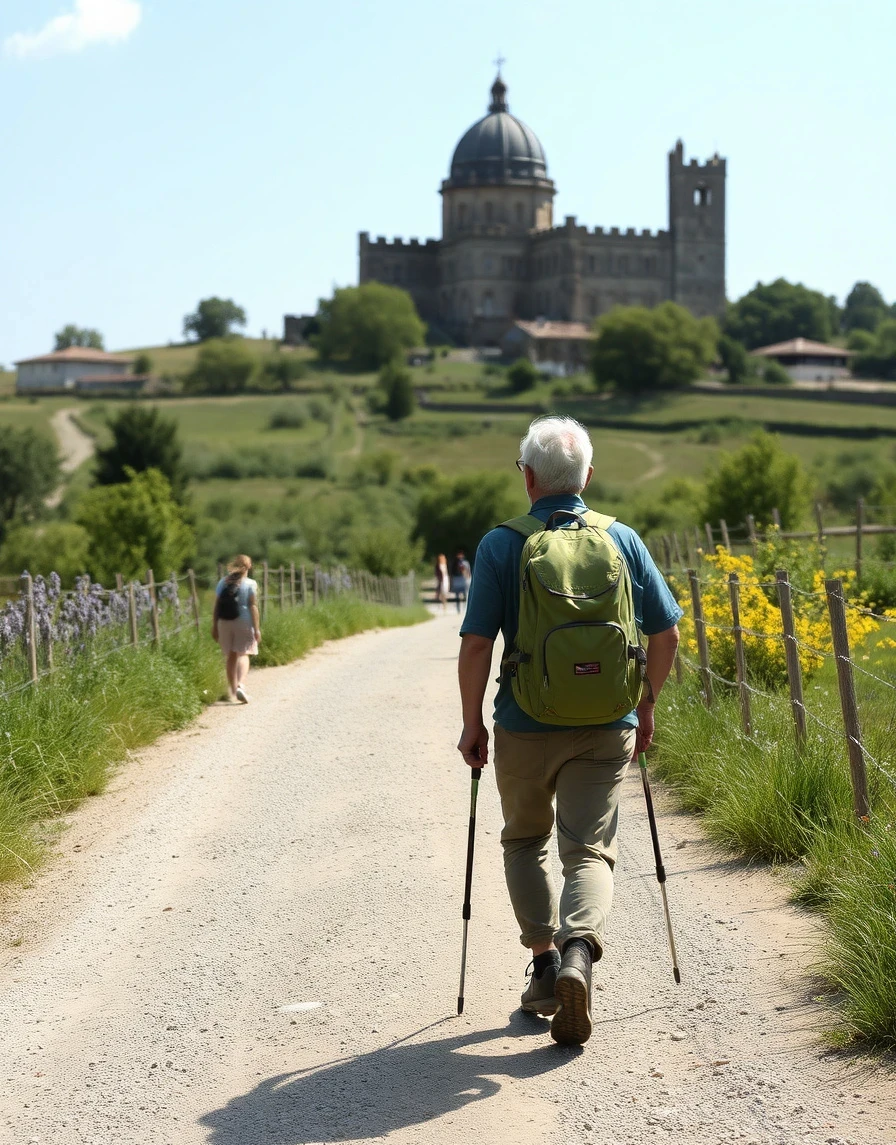
Europe’s heritage isn’t only found in cities but also in the outes to be walked.
Historic routes like:
- Camino de Santiago (Spain)
- Via Francigena (England to Rome)
These ancient pilgrimage paths allow travellers to experience history slowly, step by step. Modern digital tools, navigation apps, audio guides, online communities, now make these journeys more accessible than ever.
They also encourage eco-friendly, sustainable travel, aligning perfectly with mindful solo exploration.
Final Thoughts: Why Cultural Europe Suits Solo Travellers
Europe’s cultural destinations offer more than landmarks. They offer context, continuity, and connection.
For solo travellers, particularly those over 50, Europe provides:
- Walkable historic centres
- Deeply layered stories
- Safe, well-preserved environments
- Opportunities to travel slowly and meaningfully
Whether through UNESCO-protected cities, living traditions, or ancient trails, Europe invites you not just to visit but to understand.